
Cash for Host Families: Aceh Indonesia

In December 2004, an 8.9 magnitude earthquake struck beneath the Indian Ocean near Sumatra Island, triggering a catastrophic tsunami which left a trail of destruction across Aceh in Indonesia, parts of Thailand, Sri Lanka, the Maldives, Bangladesh, Myanmar, and Somalia. Aceh suffered extensive damage to its coastlines, critical infrastructure, and essential social services. The human toll was profound, with a significant loss of life, numerous missing individuals, and a substantial displaced population seeking shelter. Following the Indonesian Government's plea for international aid in Aceh Province, the Swiss Agency for Development and Cooperation offered assistance.
Switzerland's Cash Assistance

Besides various other emergency activities, SDC's Swiss Humanitarian Aid Unit initiated and implemented the Cash for Host Families Project. The project supported around 7,500 families that had offered shelter to tsunami victims in their homes, providing them with cash assistance totaling US$750,000. This assistance demonstrated Swiss solidarity with the disaster's victims, alleviating the financial burden on the host families. The project successfully phased out in June, 2005.
Cash for Host Families
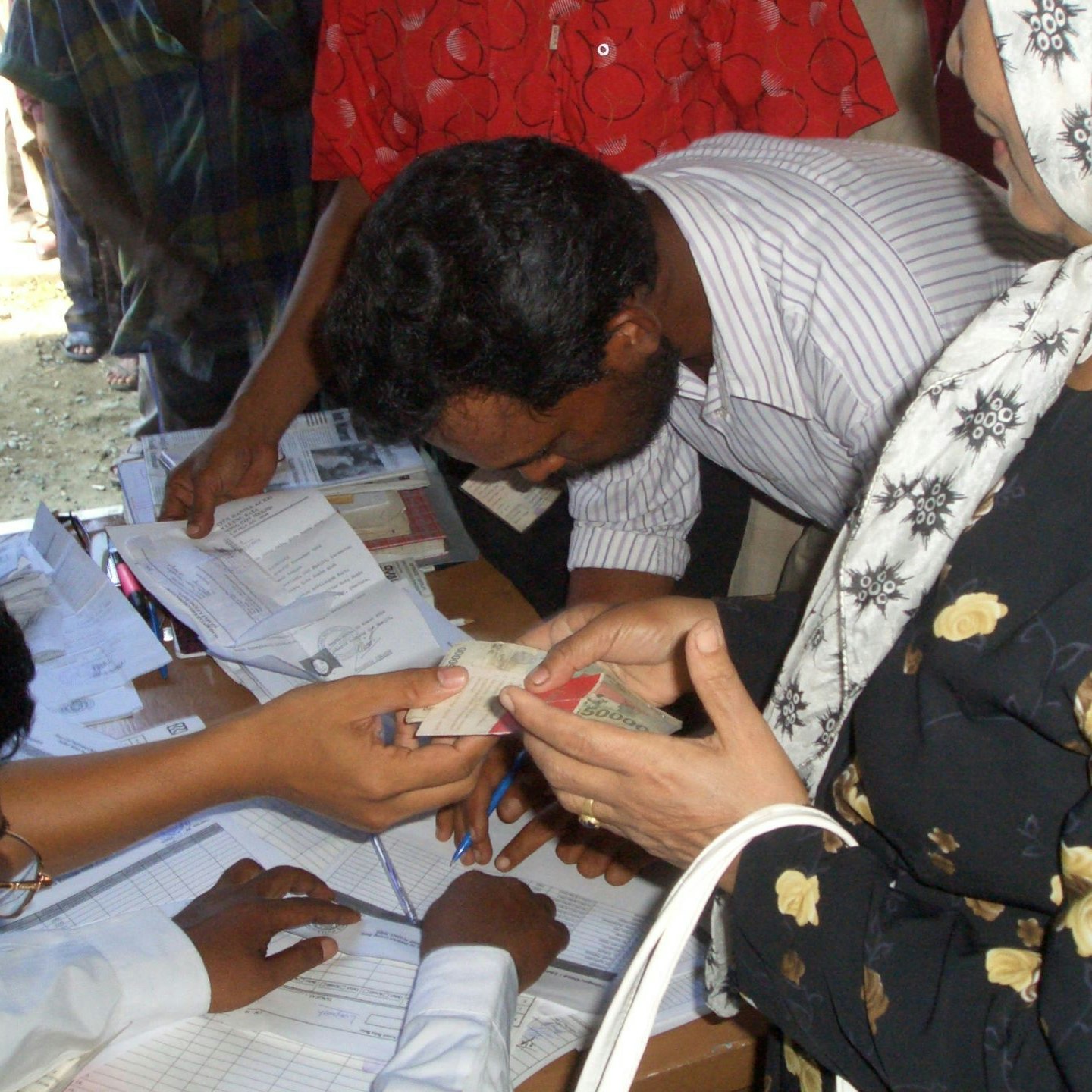
The project was implemented in seven districts and four neighboring regencies of Aceh Besar. Host families qualified as beneficiaries if they lived in the designated areas within Aceh and had provided permanent shelter to at least two tsunami victims between January and March 2005. In April and May 2005, each eligible host family received a retroactive payment of US$100. As each host family hosted an average of six tsunami victims, the project indirectly benefited a total of 42,600 victims.
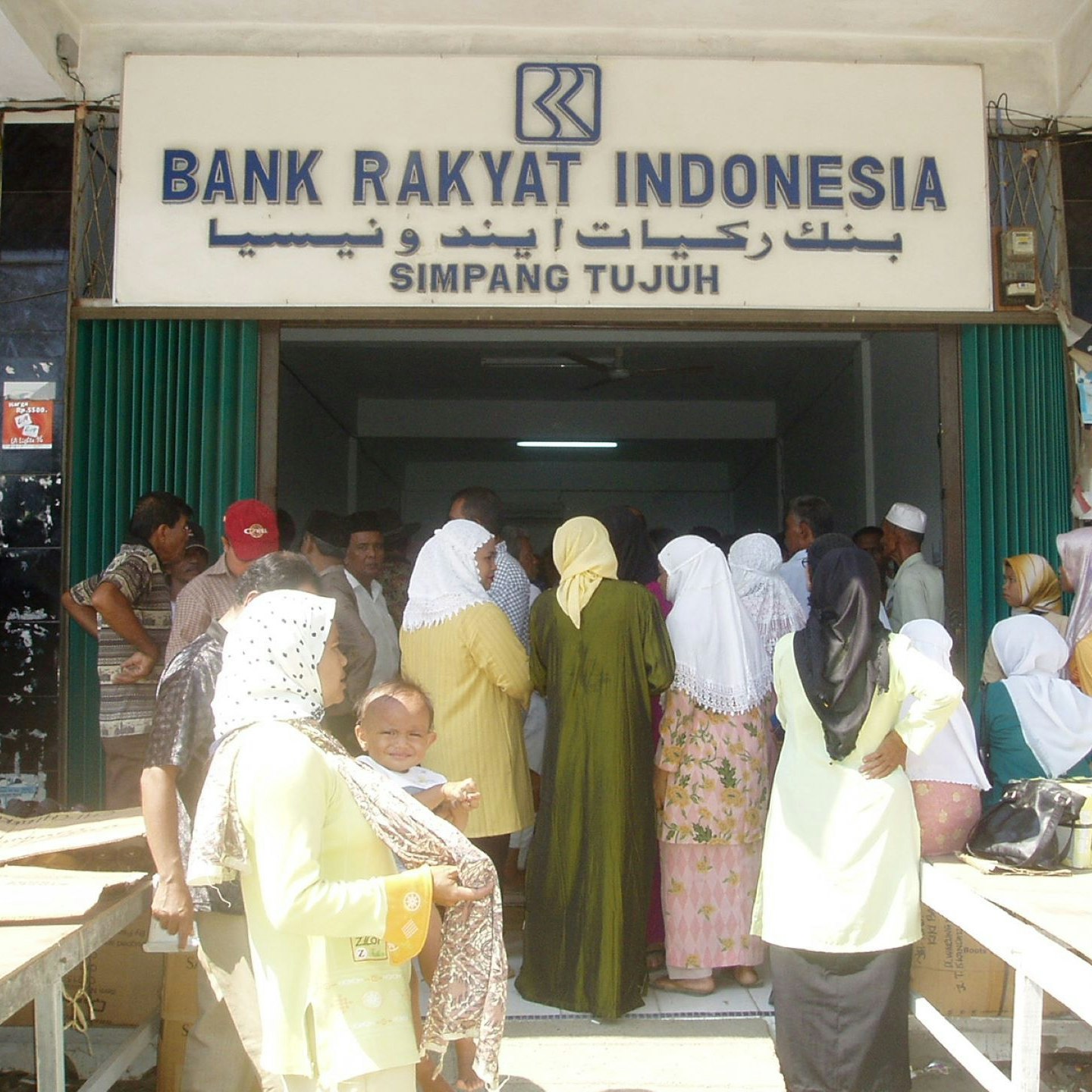
During the project implementation, the Swiss Humanitarian Aid Unit ran a country office in Banda Aceh. The project collaborated closely with local authorities in districts and villages, working together to register host families and address issues and complaints. Bank Rakjat Indonesia (BRI), a local private sector partner, collaborated with the project to efficiently process all payments.