
CVA and WASH
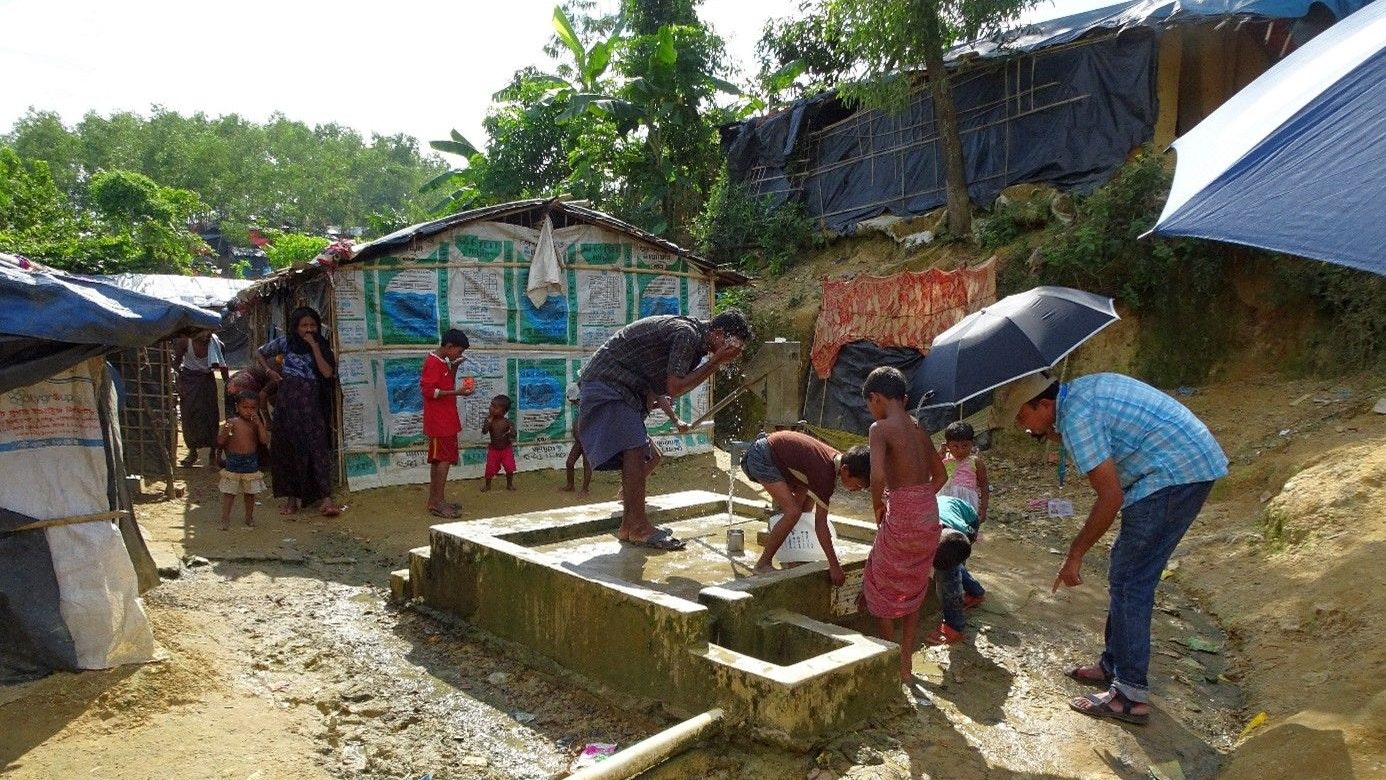
In humanitarian crises, ensuring affordable and sustainable access to Water, Sanitation, and Hygiene (WASH) is crucial for safeguarding public health. Vulnerable populations are particularly susceptible to diseases stemming from inadequate sanitation installations and unsafe water. The risk of diarrhea, cholera, and other outbreaks significantly increases without basic WASH services and hygiene practices in place.
WASH programme approaches can include a diverse set of modalities to achieve the intended outcomes. For instance, Cash and Voucher Assistance (CVA) can be combined with WASH initiatives. Humanitarian WASH responses and CVA are closely linked within the framework of market-based programming (MBP).
What is market-based programming (MBP)?
Market-based programming (MBP) is a humanitarian or development approach that focuses on utilising, supporting, or developing local markets to address immediate needs and facilitate long-term recovery. MBP aims to support local markets and contribute to positive market systems change. The better humanitarian and development actors understand markets, the deeper they can engage with markets.
Four different approaches
MBP covers all types of engagement with market systems, as classified by four different approaches:
1. Awareness of markets
Market-aware programmes are aware of the effects that practices in the delivery of humanitarian assistance have on markets. These programmes take steps to minimise or mitigate negative impacts on local markets.
Example: Conducting a market assessment of the water trucking market prior to contracting water supply services with vendors.
2. Using markets
Use of markets involves working with existing markets to assist people affected by crisis.
Example: CVA for hygiene items is an example for using markets.
3. Supporting markets
Market support interventions aim to enhance the well-being of crisis-affected populations by bolstering critical market systems that provide WASH goods and services. These interventions focus on specific market actors, services, policies, and infrastructure.
Example: Grants to hygiene item traders or water truckers to help them restart their businesses after a crisis.
4. Strengthening market systems
Also known as market system changes, these long-term interventions aim to enable sustainable changes in market access and demand for goods and services, fostering the development of viability and resilience within both existing and new market systems.
Example: Assisting WASH enterprises to produce chlorine products and create business plans for the sale of chlorine for household water treatment.
Mixed Profiles: A valuable asset of the Swiss Humanitarian Aid Unit
The Swiss Humanitarian Aid Unit (SHA) comprises individuals with diverse backgrounds, including experts both in Cash and Voucher Assistance (CVA) and Water, Sanitation, and Hygiene (WASH). This diversity of expertise within individual members is desirable, as it allows SHA members to approach challenges in humanitarian crises from multiple perspectives and effectively address various issues. Moreover, SHA members with mixed profiles possess valuable knowledge and skills that can benefit other organisations operating in the field.
For instance, one SHA member was seconded to the International Committee of the Red Cross (ICRC) to establish a capacity-building programme and promote institutional development at the intersection of CVA and WASH initiatives. Another member of the SHA has been seconded as a Cash and Markets Specialist to the Global WASH Cluster in Geneva to provide technical support at the intersection of WASH and CVA. These experiences exemplify the transferable expertise within SHA and highlight its commitment to enhancing the effectiveness of humanitarian efforts.