Typhoon Yagi: Multipurpose Cash Assistance Program in Vietnam
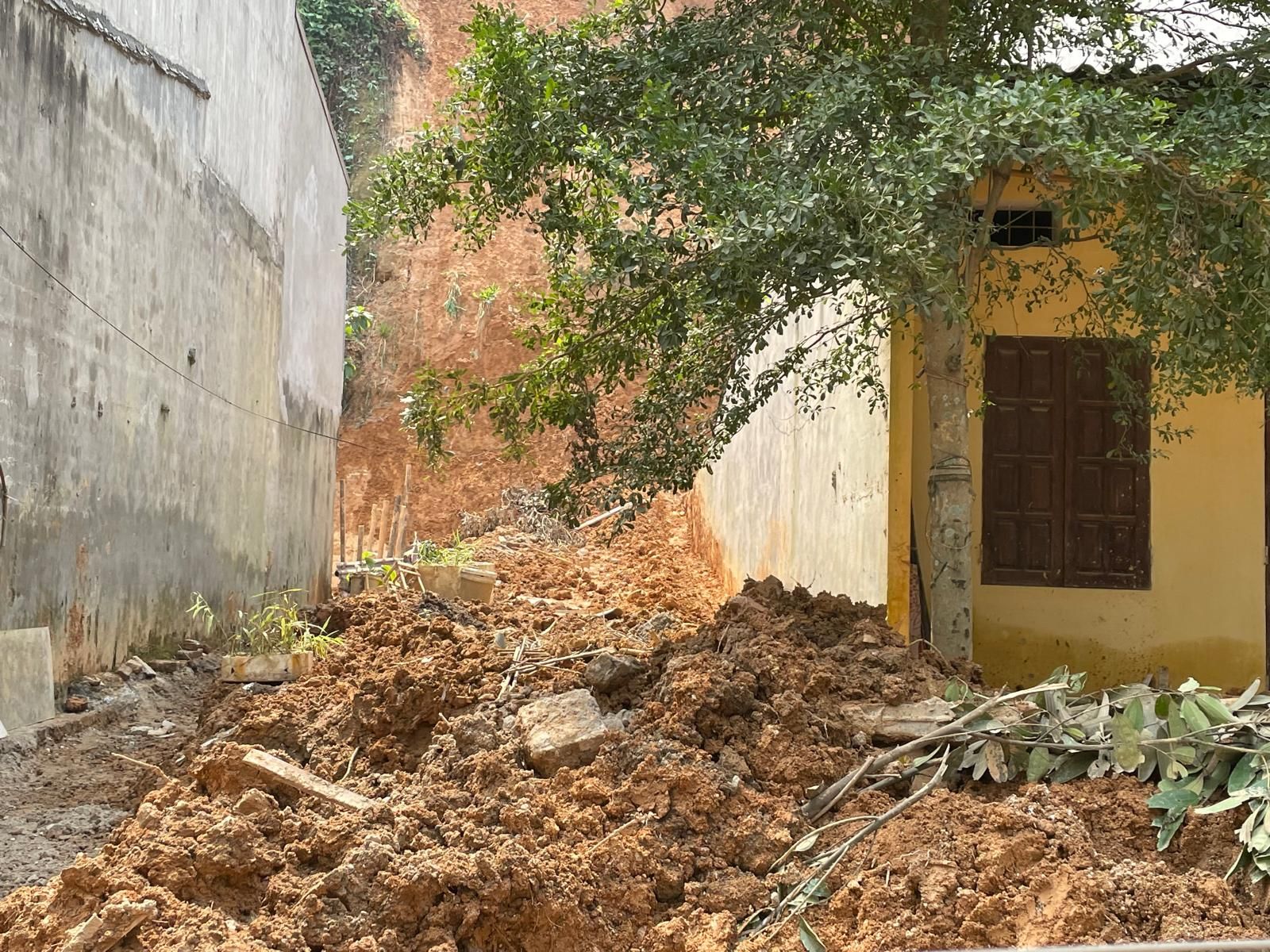
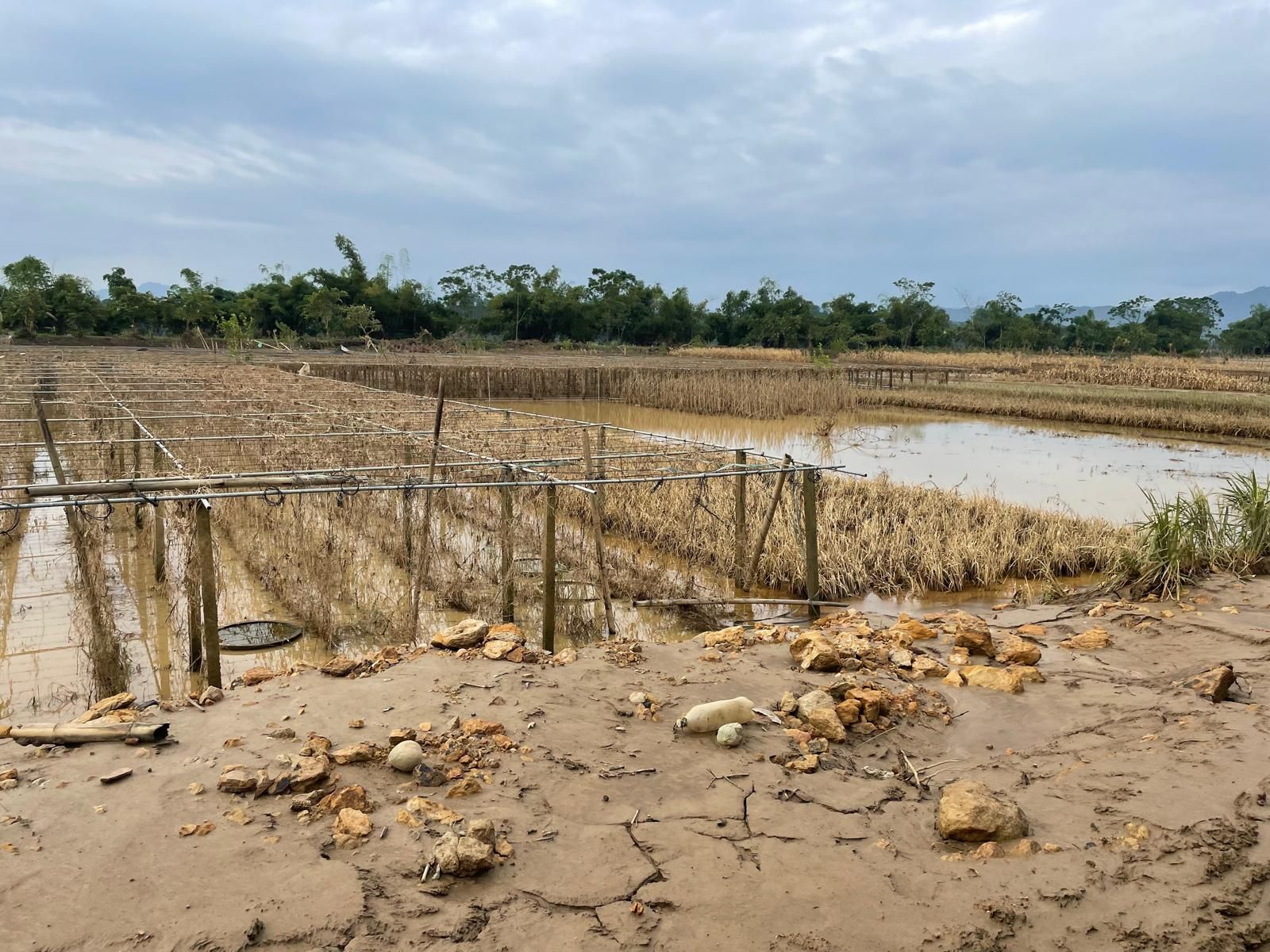
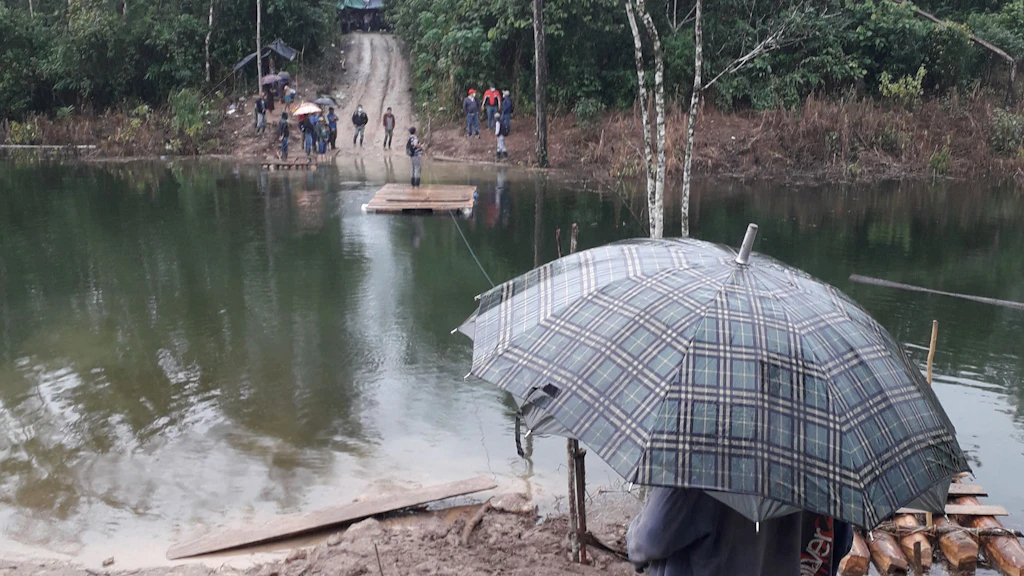
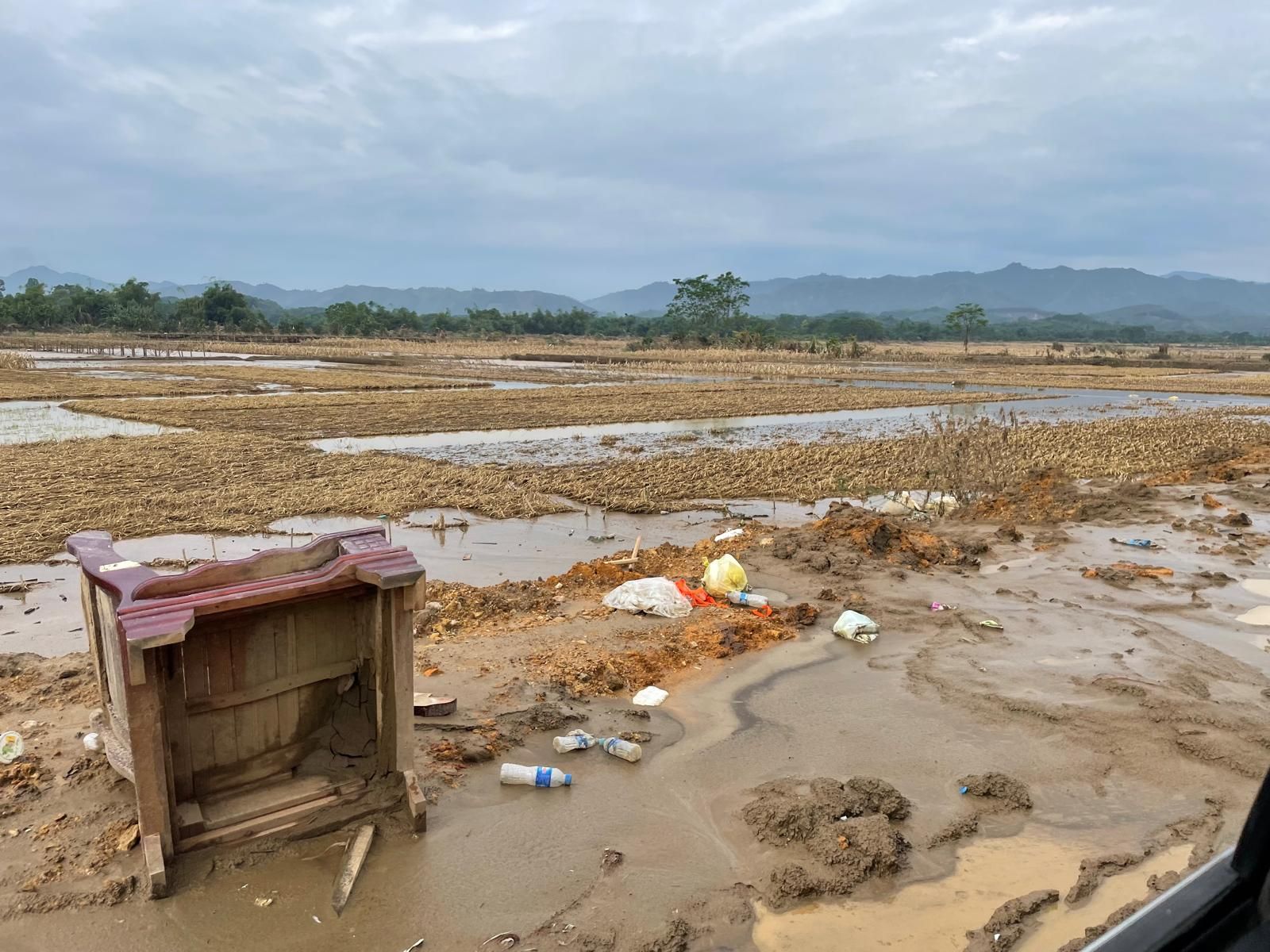
Following the devastating impact of Typhoon Yagi in Vietnam in September 2024, the Swiss Humanitarian Aid Unit (SHA) deployed a rapid response team and launched, among other activities, a cash assistance project to provide urgent relief to affected people and support their recovery efforts. The initiative reached 621 households – approximately 2,500 individuals - across eight districts in Yên Bái Province in Northwest Vietnam.
Project Overview
- Number of project recipients: 621 households - approximately 2,500 individuals - across eight districts in Yên Bái Province, Northwest Vietnam
- Budget: approx. CHF 223'000
- Partners: Vietnamese Department of Labour, Invalids, and Social Affairs (DOLISA) and Viettel
Each household received a monthly cash transfer of CHF 120, equalling 70% of the Minimum Expenditure Basket (MEB). The MEB is a calculation that estimates the minimum amount a household needs to cover essential monthly expenses, including food, shelter, healthcare and other basic needs. The MEB was defined by the Vietnam Cash Working Group, co-chaired by the Food and Agriculture Organisation of the United Nations and the European Research Council, which facilitated the coordination of cash and voucher assistance within the humanitarian response. By covering 70% of the MEB for three months, SDC’s cash assistance addressed the households' most urgent needs, providing immediate purchasing power to support their recovery efforts.
Assistance was given for three months in one single instalment of CHF 360 (equivalent to a total of VND 10.5 million). Most of the cash transfers were made to female heads of households, as women typically manage household finances and are more likely to prioritise spending on family essentials.
The Vietnamese Department of Labour, Invalids and Social Affairs (DOLISA) played a key role in coordinating social protection at the district level and managed the selection process of recipients, ensuring that the assistance reached those most in need.
The funds were distributed through Viettel, a financial service provider with extensive local presence in Yên Bái. This company was chosen for its accessibility in remote areas, with branch offices available in most villages and a home delivery option for households with mobility challenges.
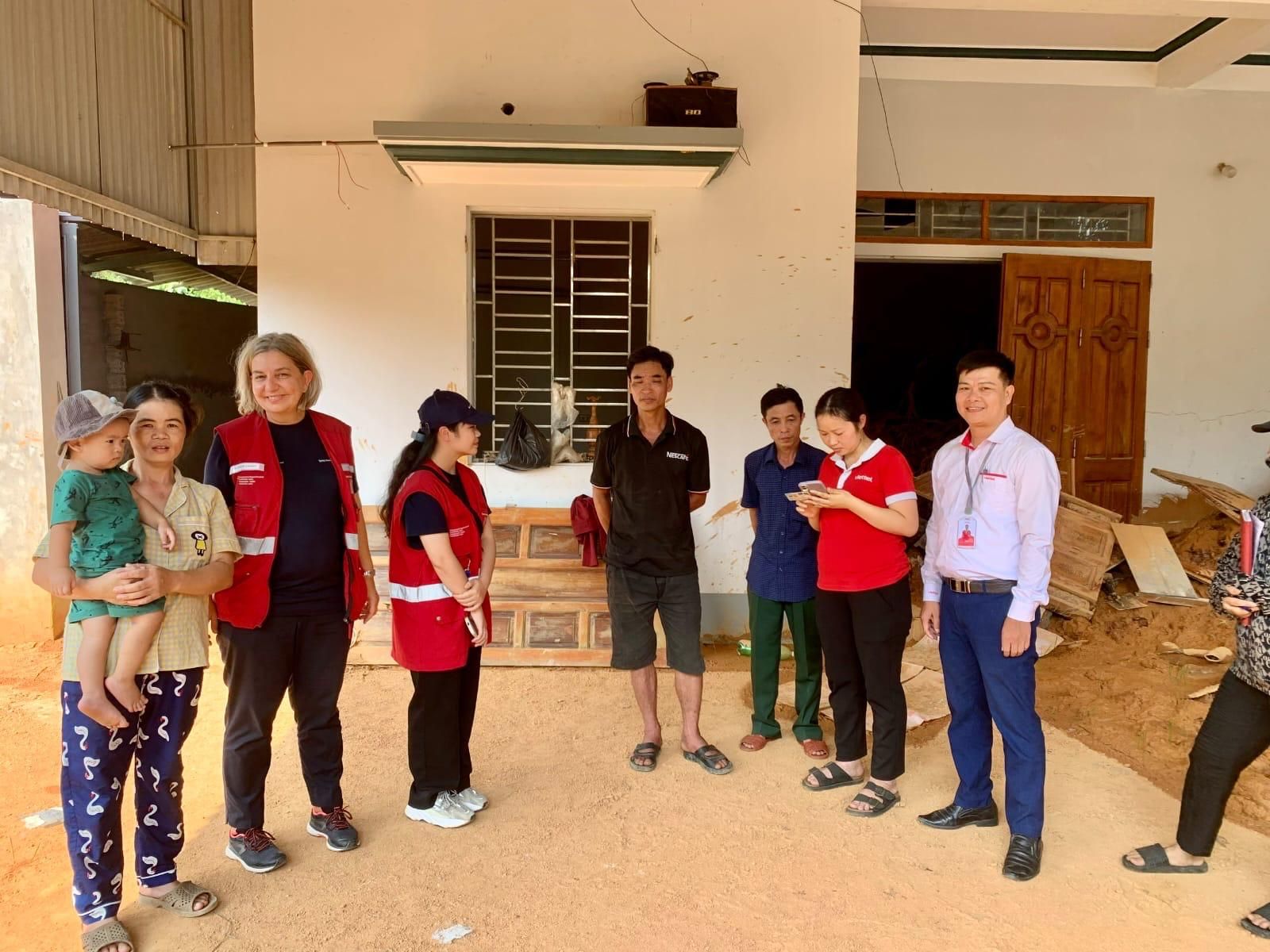
A key feature of the project was its focus on transparent communication and accountability. Prior to the cash distribution, DOLISA and local authorities informed recipients about the assistance process and their entitlements. A feedback mechanism, including a hotline, was established to allow recipients to raise concerns or report issues related to the project. This proactive approach ensured the program remained transparent and could address challenges promptly.
A post-distribution monitoring (PDM) survey, conducted by an independent consultant, evaluated the project's outcomes and revealed that most households prioritised housing repairs over other needs. The survey highlighted that the cash assistance program has been appreciated by the majority of recipients and has provided substantial support for households impacted by the Typhoon Yagi, with most recipients preferring cash over in-kind goods, reflecting trust in the program's flexibility and responsiveness to recipient needs.